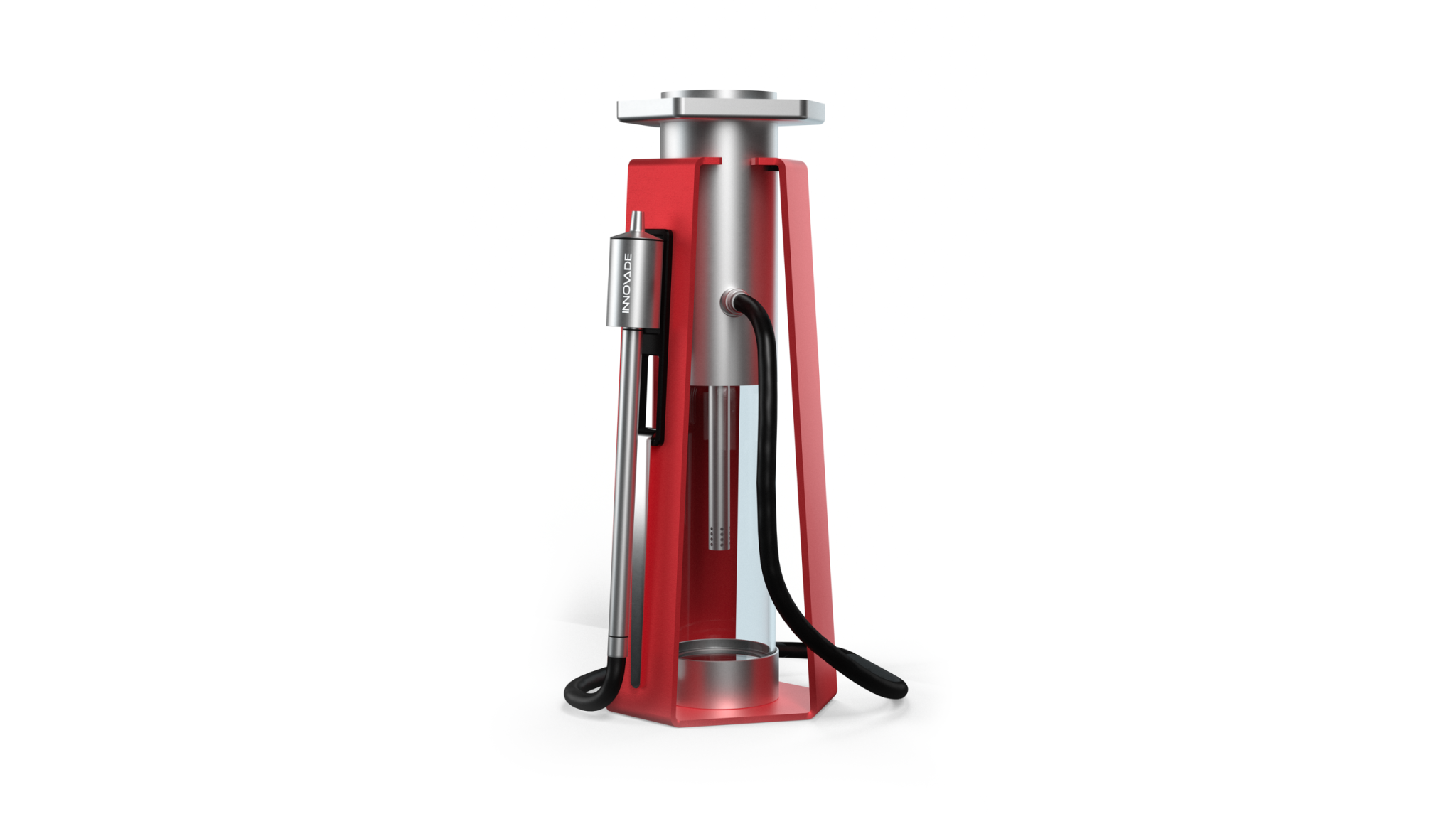
Walk into a private member club in Mayfair on a Friday evening and you will find it in a corner booth, upright, polished, waiting. Someone chose it. Signed off on it. Treated it like a piece of furniture rather than a commodity. For three decades, that choice was a narrow one. It is starting to change.
A luxury shisha pipe is now a considered object. The questions that F&B directors, private club managers, and high-net-worth buyers ask about them have shifted from “which is cheapest per unit” to “which is worth putting in front of our guests”. What follows is a design-led view of what separates a luxury shisha pipe from the rest, and why the distinction matters.
The market has grown up
For thirty years the shisha trade ran on volume. Mass-produced pipes from factories in Egypt, Turkey, and the Emirates reached cafes and sheesha lounges through a dense wholesale network. Quality was measured by how long the chrome plating held up and whether the hose survived a shift. The aesthetic was borrowed from a generation earlier and rarely questioned. Gilt, coloured glass, ornamental finials.
That visual language did not scale into the luxury sector. When a boutique hotel in Marrakech or a rooftop bar in Dubai started looking for a pipe that belonged in its interior, there was nothing on offer that did not feel incongruous. The first wave of “premium” shishas was marketing rather than design. The same unit with a brass body and a bigger price tag.
A different approach arrived when industrial designers, rather than wholesalers, started to look at the category. Germany led the shift, drawing on a design tradition that knows how to refuse decoration. The idea of designing a shisha pipe with the discipline applied to a camera lens or a piece of lighting is the starting point of the current luxury market. There is now a small group of brands working this way. Many more claiming to.
What a luxury shisha pipe actually is
Strip the word “luxury” down to its specifics and it becomes a list of measurable choices. A luxury shisha pipe is:
- Designed by a named designer or studio, with a coherent brief. The object has an author.
- Made from solid materials, not plated. Stainless steel, brass, borosilicate or hand-blown glass, hardwoods, ceramic. No chrome over zinc, no lacquered tin, no “brass-effect” plastic.
- Engineered to come apart without tools and go back together without tools. A five-minute service at the end of a night is the baseline, not a weekend strip-down.
- Balanced on its base. Upright without risk of a tilt when a guest sets the hose down. Hotel procurement teams care about this for reasons of insurance as much as aesthetics.
- Finished to the tolerance of a watch, not a cooking pot. Seams line up. Threads engage smoothly. Gaskets seat without force.
- Presented in packaging that will live in a back-of-house store cupboard for the next ten years. This sounds like a small thing. Walk the operations floor of any five-star hotel and it will stop sounding small.
Each point is a design decision. None of them describe luxury in the abstract. They are the consequences of taking the object seriously.
The materials conversation
Material choices are where a luxury piece either holds or collapses.
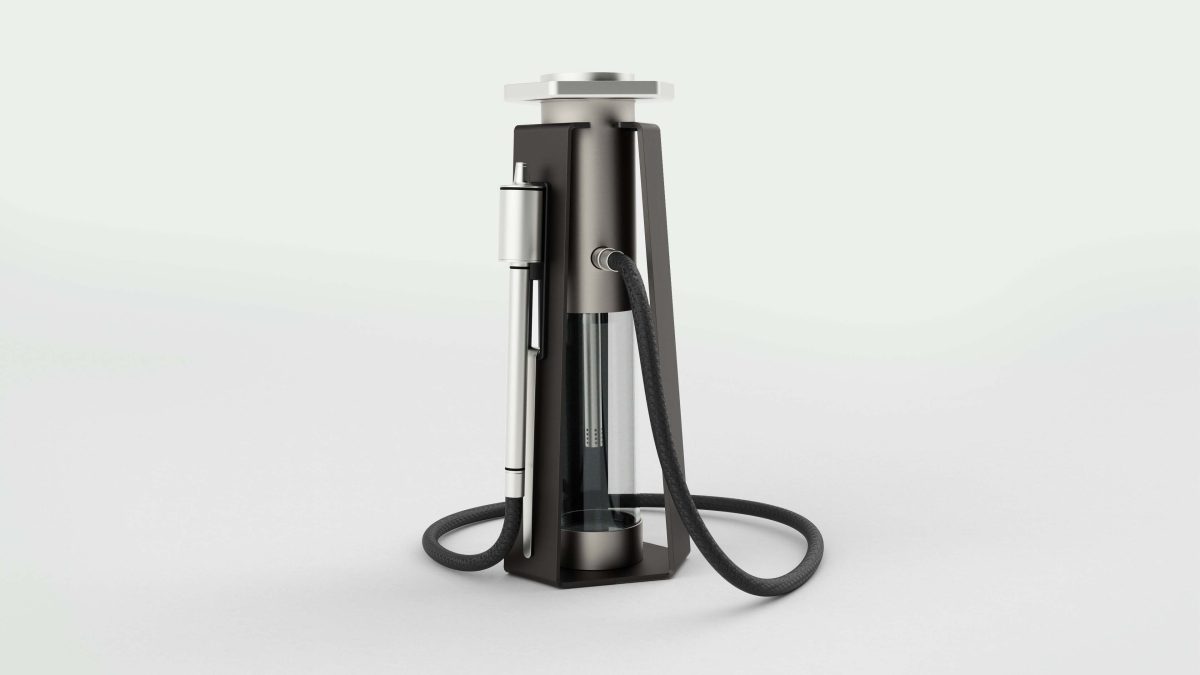
Stainless steel remains the right backbone for a high-end shisha pipe. The correct grades, typically 304 or 316, do not react with hot charcoal, do not stain, and take finish the way a good knife does. Plated alternatives corrode within a year of shift use. The honest luxury brands tell you the grade. The dishonest ones say “stainless” and leave it there.
Borosilicate glass is the right material for a high-end base. It is the glass used in laboratory ware. It tolerates thermal shock, does not cloud over time, and washes clean without the soap ghosts that build up in lesser glass. Hand-blown alternatives, from Bohemian and Murano studios or specialist German ateliers, sit at the top of the market and command a premium that is visible in the object.
Brass has a place on fittings and collars, where the warmth of the colour matters. Solid brass, aged naturally, develops a patina that most buyers come to prefer. It should never be lacquered; the lacquer always fails before the metal does.
Hardwood, walnut, smoked oak, ash, is beginning to appear on high-end shisha pipes as an accent on the mouthpiece or stand. It is a material choice that signals an object built for a room, not for a shelf.
The common thread is ageing. A luxury shisha pipe on display in a private member club should look better after three years of service than it did the day it arrived. If it looks worse, the materials were wrong.
Where it sits, the hospitality fit
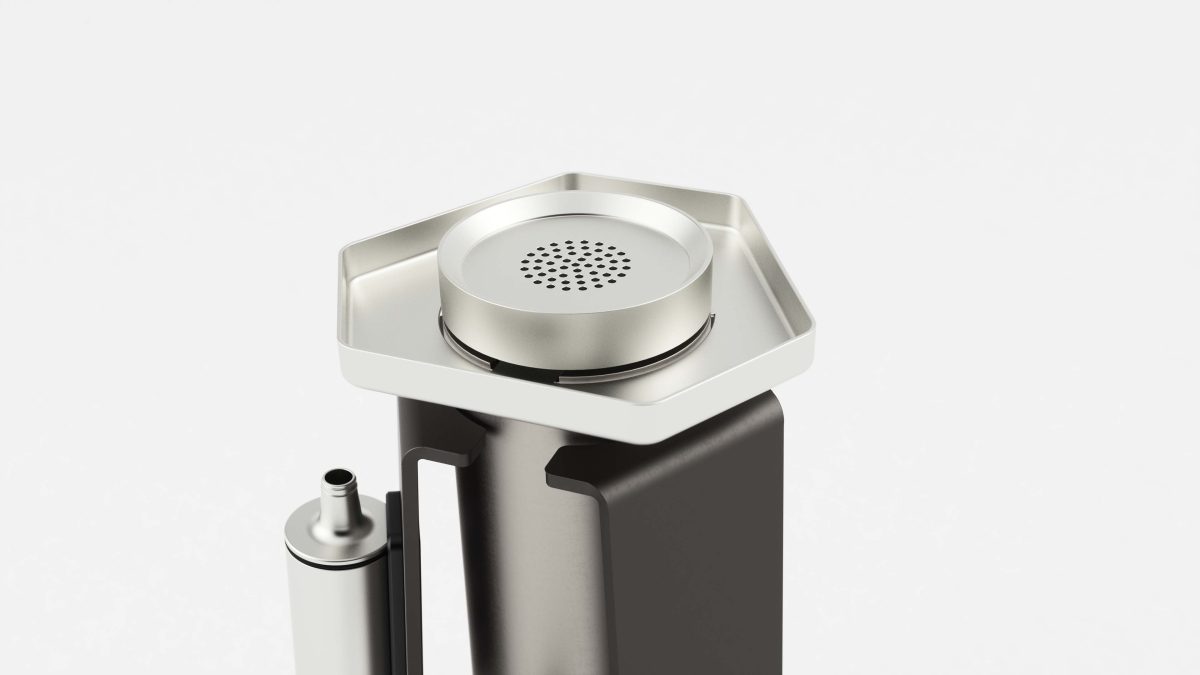
The real test of a luxury shisha pipe is whether it belongs in the room it has been specified for. A rooftop bar in Dubai will demand a different object from a library-style lounge in Mayfair. Both should be luxury. They will not look the same.
Four contexts shape the object:
Luxury hotel lounges and terraces. The piece needs to coexist with Eames chairs, concrete planters, linen umbrellas. It should read as contemporary, not as Orientalist pastiche. Scale matters. Tall pipes compete with seating; short pipes read as jewellery.
Private member clubs and cigar lounges. The pipe sits alongside decanters, humidors, and reading lamps. Warm metals and hardwoods work here. Presentation outranks portability.
Beach clubs and poolside service. Wind resistance, stability on uneven surfaces, and a finish that survives salt air. This is where engineering earns its keep. A top-end brand will have thought about it. A mid-market one will not.
Yachts and private residences. Noise discipline and discretion matter. The pipe should be as quiet as a carafe. It should live in a drawer or a cabinet when not in use and emerge without ceremony.
The mistake brands make is designing for a generic “luxury buyer”. There is no such buyer. The shisha goes into a specific room, with specific light and specific seating, and needs to feel as though it was chosen for that room.
German design and the luxury question
If there is a design tradition that has shaped contemporary luxury shisha pipes more than any other, it is the German one. The same discipline that delivered Braun’s appliances and Vitsoe’s shelving, form that refuses to decorate anything that is not doing a job, applies here. Dieter Rams’s ten principles of good design (outlined by Vitsoe) read as a brief for the category: useful, honest, restrained, long-lasting, thorough to the last detail.
Innovade was designed in Germany in 2019, commissioned through a product design studio. The brief was simple: approach the shisha as an engineering problem, resolve it with the restraint of a product designer, and refuse to decorate anything that was not doing a job. The pieces that have come out of that tradition, Innovade among them, share a family resemblance. Quiet objects. Legible forms. Materials that have earned their place.
Who specifies, and how
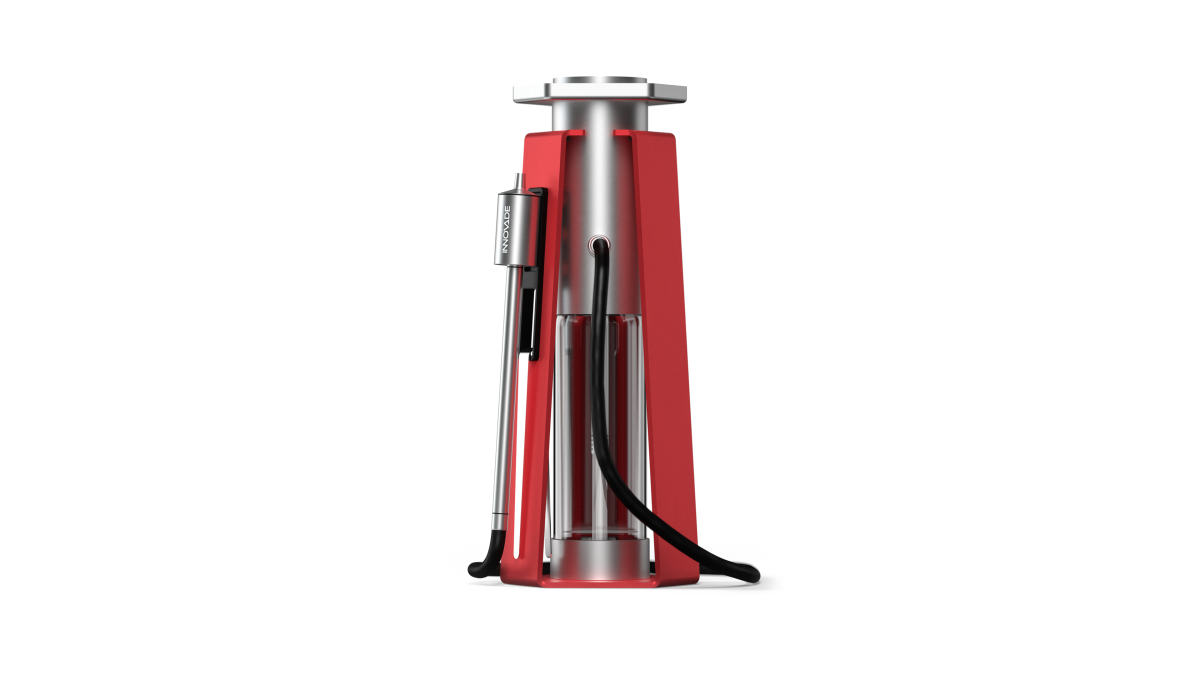
For an F&B director or purchasing manager evaluating a luxury shisha pipe for the first time, six questions are worth asking, in this order:
Who designed it? If the answer is “our factory design team”, the object is not a luxury product. Ask for the designer, the studio, the country of origin, and the year of the current model.
How does it service? A five-minute between-guest refresh is the minimum. Ask for a demonstration or a written service procedure.
What is the warranty? Two years is the floor for a luxury object. One year indicates the manufacturer does not quite trust it.
What is the lead time to our property in this city? Four to six weeks for a specified order is reasonable. If the supplier quotes two weeks, they are pulling from warehouse stock, which means the unit is not made to order and customisation is out.
Can the piece be branded? Discreet engraving on the base or collar is standard for hotel orders above about twenty units. Laser etching, not stickers.
What is the replacement policy for wear parts? Service-related damage is part of the category. A luxury supplier will replace a hose, a base, or a tray without questions for the object’s first five years.
Price for a luxury shisha pipe runs from about €1,500 to €3,000 per unit, depending on specification, customisation, and volume. Anything below that is a mid-market product marketed upward. Anything meaningfully above is bespoke or short-run.
Geography
Luxury shisha has a geography. The market leaders in absolute revenue are in the Gulf, Dubai, Riyadh, Doha, Abu Dhabi, where five-star properties treat shisha service the same way they treat cigar service or whisky pairing. A well-run hotel in that market expects its pipes to be on display and to hold up to the volumes that come with a forty-seat terrace on a Friday night.
London runs a close second by per-unit spend. Private member clubs in Mayfair, St James’s, and Soho have been specifying higher-end shisha pipes for the last five years as members have asked for them and as clubs have competed on details. Rooftop bars across the city are the second wave.
The European middle, Monaco, Marbella, Ibiza, Mykonos, Capri, Cannes, is more seasonal and more design-led. The shisha here lives on a terrace with a sea view. It needs to look at home against architecture and not against a pattern library.
Northern Europe, Zurich, Munich, Hamburg, Berlin, Amsterdam, is smaller in volume but design-literate. The buyer here is the interior designer or hospitality architect specifying into a brief, and the reference points are Scandinavian and German rather than Arabian. As Dezeen and other design publications have repeatedly noted, luxury hospitality in these cities has moved decisively toward understatement.
An object built for Dubai will not always work in Oslo. A good luxury shisha pipe works in both because it is restrained enough to disappear into the room and well-made enough to earn attention when a guest notices it.
Available from Innovade
Innovade designs contemporary luxury shisha pipes in Germany. Pieces are available for hospitality specification and private purchase. Enquiries from luxury hotels, private member clubs, beach clubs, yacht managers, and private buyers are welcome from the UK, EU, and Middle East. For the story behind a specific edition, read Introducing INNOVADE RED. For a broader view of how the shisha pipe has changed as a category, see Modern Shisha Pipes – What Has Changed. For the story of the brand’s pink edition, see Innovade Goes Pink.
Frequently asked questions
What makes a shisha pipe high-end?
Named designer, solid materials (not plated), tight engineering tolerances, tool-less service, long warranty, and considered packaging. Each of those is a design decision rather than a marketing claim. Price alone does not make a shisha pipe high-end; the object has to carry it.
Are luxury hookahs worth the money?
For a hospitality buyer, yes. A luxury shisha pipe pays back through guest response, longevity in service, and reduced replacement cost over a five-year life. For a private buyer, the question is whether the object rewards looking at and picking up. Most well-designed luxury pieces do.
What are the best materials for shisha pipes?
Stainless steel (304 or 316 grade) for the body and stem. Borosilicate or hand-blown glass for the base. Solid brass for fittings. Hardwoods like walnut or smoked oak for accents. Avoid chrome over zinc, lacquered brass, and any part the supplier calls simply “metal” or “glass” without specifying.
How much should I spend on a good hookah?
For a true luxury piece, expect €1,500 to €3,000 per unit. Volume orders for hotels bring the price down; customisation and bespoke finishes push it up. Anything under €500 is commodity; anything in the €500 to €1,500 range is mid-market.
What’s the difference between a modern and traditional shisha?
Traditional shishas follow a visual language from the early twentieth century, ornamental metalwork, coloured glass, filigree. Modern shishas are industrially designed, clean lines, solid materials, engineered fits, restrained finishes. Modern pieces suit contemporary hotel interiors; traditional pieces suit traditional ones. Neither is inherently better.
Are designer hookahs better than regular ones?
For hospitality service and long-term ownership, yes. Designer hookahs are built with service tolerances and materials that survive regular use, where mass-market units are built to a price. For a one-off personal piece that will be lightly used, a designer piece is an object choice rather than a performance one.
Which brands make the best luxury pipes?
A small number of German, European, and Middle Eastern studios design and manufacture at the top of the category. The market is concentrated and still evolving. When evaluating, look for named designers, material transparency, warranty length, and reference installations in luxury venues rather than purely online signal.
What features should a premium hookah have?
Solid materials, tool-less disassembly, balanced base, tight tolerances on moving parts, a serviceable hose collar, replaceable wear parts, long warranty, discreet branding options for trade orders, and packaging designed to last. The best pieces also address use context, wind resistance for outdoor venues, quiet operation for private residences.
