Shisha pipes used to be heavy brass antiques passed down through generations, sitting in the corner of a cafe somewhere in the Middle East. That world still exists, but today’s shisha scene looks completely different. Modern pipes are engineered like precision instruments, built from aerospace-grade stainless steel and hand-blown crystal, designed to deliver cleaner smoke, smoother draws, and a look that belongs in a design magazine.
This guide breaks down exactly what separates a modern shisha pipe from a traditional one, the features that actually matter when you’re spending your money, and which brands are worth paying attention to in 2026. Whether you’re upgrading from a cheap starter pipe or building a collection, this will help you make a smarter choice.
At a Glance
- Modern shisha pipes use stainless steel, borosilicate glass, and machined aluminium for better durability and flavour
- Built-in diffusers, purge valves, and precision airflow systems deliver noticeably smoother sessions
- Portability is a major trend, with compact pipes designed for travel and outdoor use
- Prices range from around 50 to well over 2,000 for premium handcrafted models
- Brands like Steamulation, Amotion, Quasar, and Maklaud are pushing design and engineering forward
What Makes a Shisha Pipe “Modern”?
A modern shisha pipe isn’t just a traditional hookah with a fresh coat of paint. The difference runs deeper than aesthetics. Traditional pipes, the kind you’d find in a Turkish bazaar or Egyptian cafe, are typically made from brass, copper, or plated metals. They look beautiful, they carry history, but they also come with quirks: corrosion over time, restricted airflow, loose fittings, and stems that need constant maintenance.
Modern pipes solve these problems through better materials and tighter engineering. The joints are machined to fit precisely. The stems are designed for specific airflow profiles. The bases use thick borosilicate glass that won’t crack from heat changes. Everything is built to perform consistently, session after session, without the ritual of re-tightening and re-sealing that older pipes demand.
The shift is also cultural. A generation ago, shisha was something you experienced at a lounge. Now people want that same quality at home, on a balcony, at a gathering. Modern pipes are designed around that reality, built to be set up quickly, cleaned easily, and stored without taking up half a shelf.
Materials That Define Today’s Best Pipes
Material choice is where modern pipes earn their reputation. Here’s what the best manufacturers are using and why it matters.
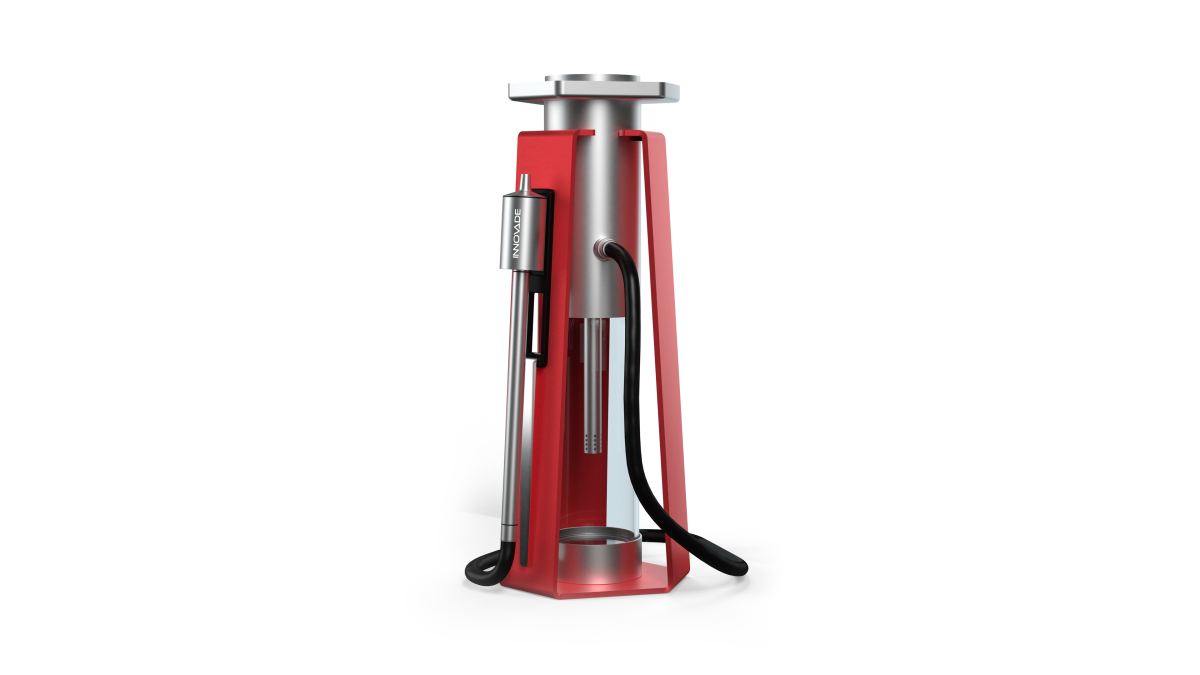
Stainless steel is the backbone of most premium modern pipes. Unlike brass, it doesn’t corrode, doesn’t ghost flavours between sessions, and can be polished to a mirror finish or brushed for a matte look. German brands like Steamulation and Amotion have built their entire product lines around surgical-grade stainless steel, and it shows in the longevity of their products.
Borosilicate glass is the standard for modern bases. It’s the same glass used in laboratory equipment, resistant to thermal shock, and far more durable than the decorative glass you’ll find on budget pipes. It also doesn’t retain odours or colours, so your base stays clear and clean.
Machined aluminium appears in many mid-range and portable models. It’s lightweight, resistant to rust, and can be anodised in virtually any colour. You’ll see it in travel-friendly pipes where weight matters.
Crystal and hand-blown glass sit at the luxury end. Brands like Maklaud produce pipes with hand-carved stems and crystal bases that are genuinely works of art. These are collector’s items as much as they are smoking instruments.
Design Trends Shaping the Scene
Three clear directions are defining modern shisha design right now.
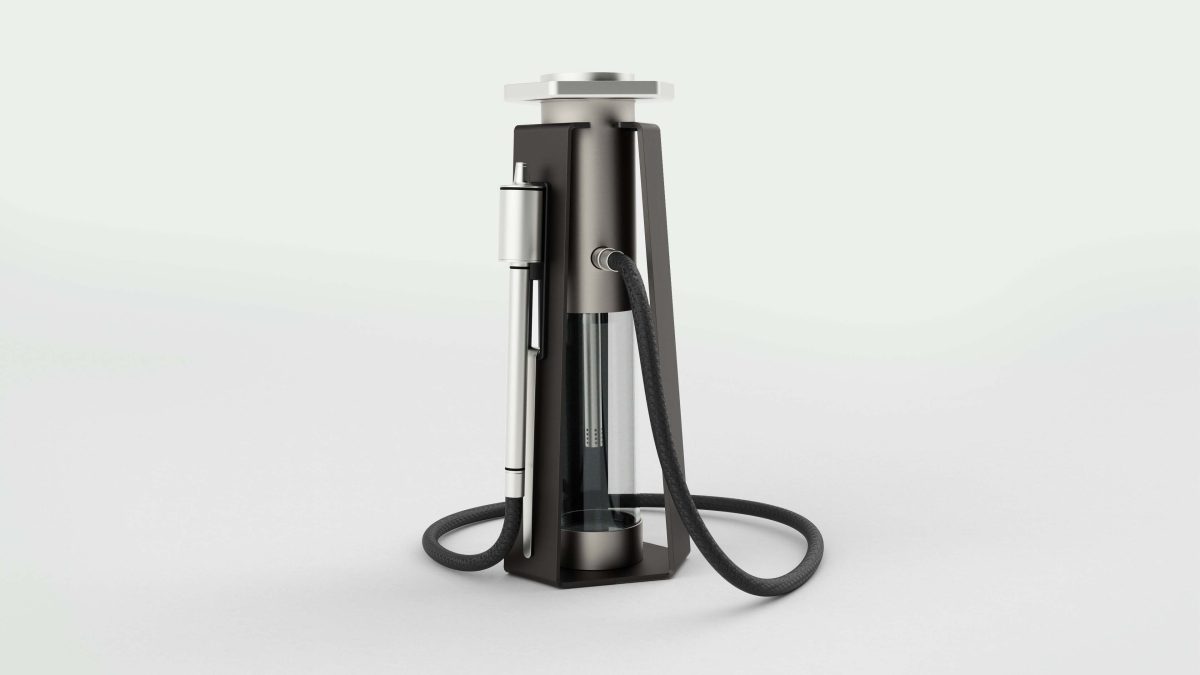
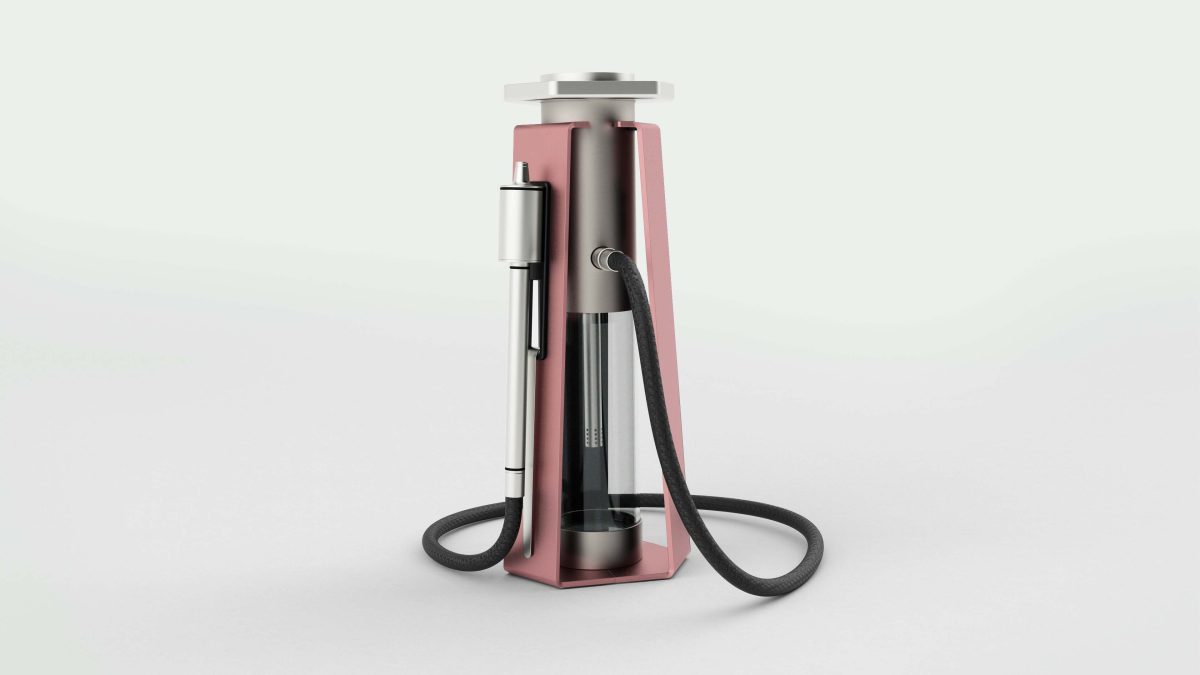
Minimalism is winning. The ornate, heavily decorated pipes of the past are giving way to clean lines, simple geometry, and a less-is-more approach. A sleek stainless column with a clear glass base looks at home in a modern living room. That’s intentional. Designers know their customers want something they’re happy to leave on display, not something they need to hide in a cupboard when guests come over.
Portability is no longer an afterthought. Compact, single-hose pipes designed for travel and outdoor sessions saw a sales surge of nearly 50% in 2025. Brands like Amotion built their reputation on this, with their Valve model becoming a favourite in shisha bars across Europe thanks to its combination of small size, smooth airflow, and rapid setup. Portable doesn’t mean cheap anymore – some of the best-engineered pipes on the market are designed to fit in a backpack.
Tech integration is creeping in. LED lighting in bases, Bluetooth-connected heat management devices, and even apps for tracking session temperatures are all real products you can buy today. The Ooka system, which uses induction heating instead of charcoal, represents the most radical rethink of how shisha works. No charcoal, no ash, no carbon monoxide – just flavoured vapour at a consistent temperature. It’s not for purists, but it’s winning over a new audience who want the social ritual without the hassle.
Key Features to Look For
Forget the flashy marketing. These are the features that actually affect your smoking experience.
Diffuser: A diffuser sits at the bottom of the downstem and breaks large bubbles into smaller ones as smoke passes through the water. The result is a quieter draw and smoother, cooler smoke. Some pipes have fixed diffusers built into the stem. Others use removable attachments. Either way, once you’ve smoked through a diffuser, going back feels rough.
Purge valve: This lets you blow out stale smoke from the base without disrupting the water seal. Quality pipes have a well-engineered purge with a steel ball bearing that seats cleanly. Cheap pipes use plastic or rubber that degrades. A good purge valve means you never have to tolerate a harsh, burnt-tasting hit.
Airflow design: Modern pipes are engineered for specific draw resistance. An “open draw” pipe lets air flow freely, producing big clouds with minimal effort. A “restricted draw” concentrates flavour. Neither is better – it depends on what you prefer. The important thing is that the pipe was designed with intent, not just assembled from generic parts.
Hose port quality: Look for machined metal ports with silicone grommets or magnetic connections. Plastic ports crack. Rubber grommets degrade and leak. A quality port keeps the seal tight and makes hose changes effortless.
Bowl compatibility: Most modern pipes use a standard Egyptian-style bowl fitting, but some premium brands use proprietary connections. Check before you buy. You want a pipe that works with a wide range of bowls and heat management devices.
Modern vs Traditional: Which Is Right for You?
| Feature | Modern Pipes | Traditional Pipes |
|---|---|---|
| Materials | Stainless steel, borosilicate glass | Brass, copper, decorated glass |
| Durability | High – corrosion resistant | Moderate – requires maintenance |
| Flavour purity | Excellent – no ghosting | Can retain flavours over time |
| Airflow | Engineered, consistent | Varies, often restricted |
| Setup time | Quick – precision fittings | Slower – sealing needed |
| Aesthetic | Minimalist, contemporary | Ornate, culturally rich |
| Portability | Many compact options | Generally large and heavy |
| Price range | 50 – 2,000+ | 30 – 500+ |
| Best for | Performance, convenience | Ambience, tradition, collectors |
There’s no wrong answer here. If the ritual and the visual presence matter to you, a hand-hammered Egyptian pipe from Khalil Mamoon still delivers. But if you want the best possible smoke with the least fuss, modern engineering wins every time.
Top Brands Leading the Way
Steamulation is the brand most serious shisha enthusiasts mention first. Made in Germany, their pipes are precision-machined stainless steel with interchangeable components. The Pro X series set the standard for what a modern hookah could be, and the newer Ultimate Generation II raised it further. Not cheap, but built to last decades.
Amotion is gaining serious ground, particularly in the European shisha bar scene. Their Valve model is compact, beautifully designed, and delivers an impressively smooth draw for its size. They’re focused on portability without compromising on session quality, and they’ve found a loyal following for it.
Quasar earned its name making premium bowls before releasing the Quasar Arguilé, their first complete pipe. It features a dual-downstem system that improves airflow and cloud density while reducing noise. It’s a technical achievement that appeals to people who care about the engineering behind their sessions.
Maklaud sits in its own category. Their pipes feature hand-carved, totem-like stems that are closer to sculpture than smoking equipment. If you want a pipe that’s also a conversation piece and a genuine art object, Maklaud is where you look.
Moze is another German manufacturer producing clean, well-engineered pipes at a slightly more accessible price point than Steamulation. Their Breeze and Varity lines offer solid performance with good customisation options.
Portable Shisha: The Rise of On-the-Go Sessions
Five years ago, “portable shisha” meant a small, flimsy pipe that looked like a toy and smoked like one. That’s changed dramatically. Today’s portable pipes use the same materials and engineering principles as their full-size counterparts, just in a smaller package.
The appeal is obvious. People want to smoke shisha at the beach, on a camping trip, at a friend’s garden party, in a hotel room. A full-size hookah with charcoal management isn’t practical for any of those situations. Compact pipes with quick-light or electronic heat sources make it possible.
The Amotion Valve, Moze Breeze Two, and several offerings from MIG Shisha all fit this category. They’re typically under 40cm tall, weigh less than a kilogram without water, and pack into a carrying case. Some come with their own travel bags as standard.
Electronic options like the Ooka take portability even further by eliminating charcoal entirely. You charge the device, insert a flavour pod, and press a button. No coal, no foil, no wind cover, no ash. The trade-off is that you’re locked into their proprietary pods, and purists will argue the experience isn’t quite the same. But for convenience, nothing comes close.
How Much Should You Spend?
Budget shapes expectations, so here’s a realistic breakdown of what different price points get you.
Under 100: Entry-level modern pipes. You’ll get decent materials, a functional diffuser, and a reasonable smoking experience. Good for beginners who want to see if they enjoy shisha at home before investing more. Expect some compromises in build quality and fittings.
100 to 300: This is the sweet spot for most people. Pipes in this range offer solid stainless steel construction, good glass bases, proper purge valves, and engineered airflow. Brands like Moze and MIG Shisha hit this price point well. You’ll get a pipe that lasts years with proper care.
300 to 700: Premium territory. Steamulation, Amotion, and Quasar’s core lineups live here. You’re paying for superior engineering, interchangeable components, and materials that will outlast you. If shisha is a regular part of your life, this is where the value sits.
700 and above: Luxury and collector pieces. Crystal bases, hand-carved stems, limited editions, and custom configurations. Maklaud, Steamulation’s top tier, and bespoke makers operate here. These pipes hold their value and often appreciate, particularly limited runs.
Caring for Your Modern Shisha Pipe
Modern materials are easier to maintain than traditional ones, but they still need regular attention.
After every session: Rinse the stem, base, and hose with warm water. Empty the base completely – standing water breeds bacteria and leaves mineral deposits. Wipe down the stem with a soft cloth.
Weekly (if you smoke regularly): Use a stem brush with warm water and a drop of washing up liquid. Clean the base with a base brush or a mix of warm water and bicarbonate of soda. Rinse thoroughly. Check grommets and seals for wear.
Monthly: Inspect the purge valve, check ball bearings are seating properly, and examine the downstem diffuser for blockages. Replace any silicone parts that show cracking or discolouration.
Storage: Keep your pipe dry and disassembled when not in use. Store the glass base separately to prevent accidental knocks. If you have a carrying case, use it.
Frequently Asked Questions
Are modern shisha pipes better than traditional ones?
For smoke quality and convenience, yes. Modern pipes deliver smoother, cooler draws with less maintenance. Traditional pipes offer a different kind of experience though – there’s a ritual and atmosphere that brass and copper provide which stainless steel doesn’t replicate. It depends on what you value most.
How long does a modern shisha pipe last?
A quality stainless steel pipe will last 10 years or more with basic maintenance. The glass base is the most vulnerable component, but replacements are available for most brands. Compare that to traditional brass pipes, which can corrode and develop pitting within 2-3 years of regular use.
Is it worth spending over 300 on a shisha pipe?
If you smoke weekly or more, absolutely. The difference in session quality between a 100 pipe and a 400 pipe is significant – smoother draws, better flavour, easier cleaning, and components that don’t wear out. Think of it like any other hobby equipment. A quality instrument pays for itself over time.
Can I use traditional bowls on modern pipes?
Most modern pipes accept standard Egyptian-style bowls, which covers the majority of popular bowls on the market. Some premium brands use proprietary fittings, so always check compatibility before buying accessories separately.
What’s the best modern shisha pipe for beginners?
Look at the 100-200 range from brands like Moze or MIG Shisha. They offer forgiving airflow, good build quality, and everything you need for a proper session without the investment of a premium pipe. Start there, learn what you like, then upgrade once you know your preferences.
Are electronic shisha pipes worth it?
Systems like the Ooka are genuinely impressive for convenience. No charcoal, no mess, consistent temperature throughout the session. The downsides are cost per session (proprietary pods aren’t cheap) and a slightly different taste profile compared to traditional charcoal-heated shisha. They’re best suited for people who want the social experience without the setup and cleanup.
Final Thoughts
The modern shisha pipe has come a long way from its roots. Today’s best pipes combine serious engineering with striking design, delivering a smoking experience that was simply not possible a decade ago. Whether you’re after a compact travel pipe for weekend trips or a statement piece for your living room, there’s never been more choice or higher quality available.
The key is knowing what matters to you – materials, airflow, portability, aesthetics – and spending accordingly. Don’t overpay for features you won’t use, but don’t cheap out on the fundamentals either. A well-chosen modern pipe is something you’ll enjoy for years.
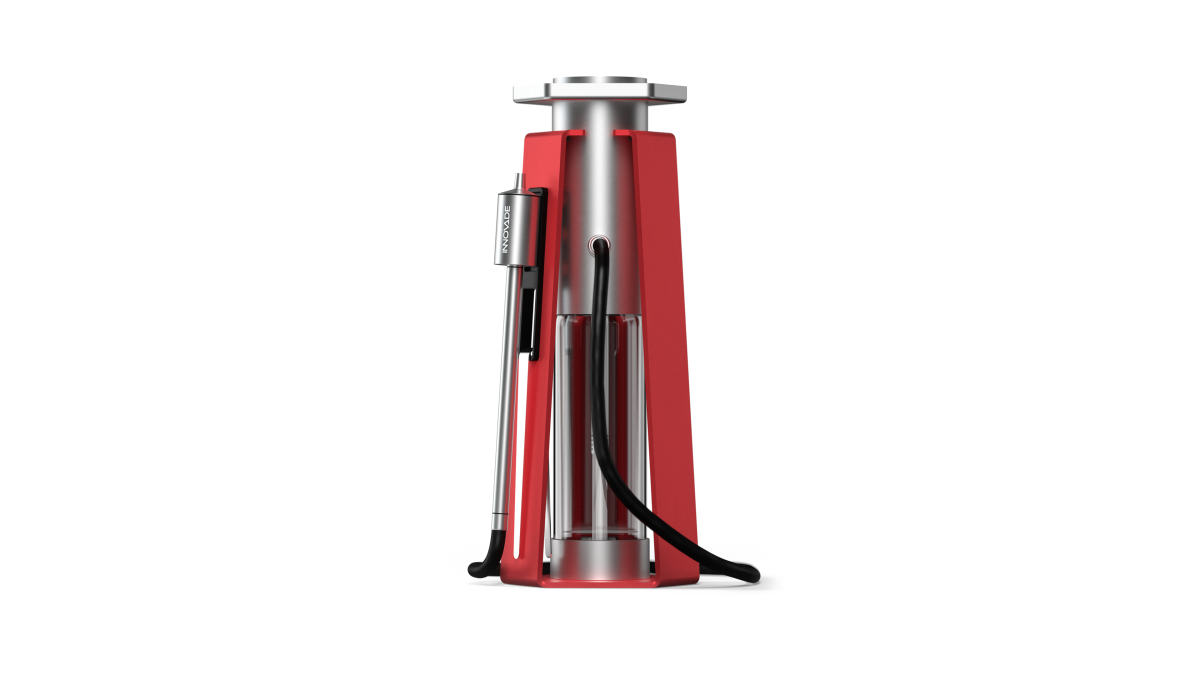
Browse our collection at Innovade to find your next pipe, or get in touch if you need help choosing.
