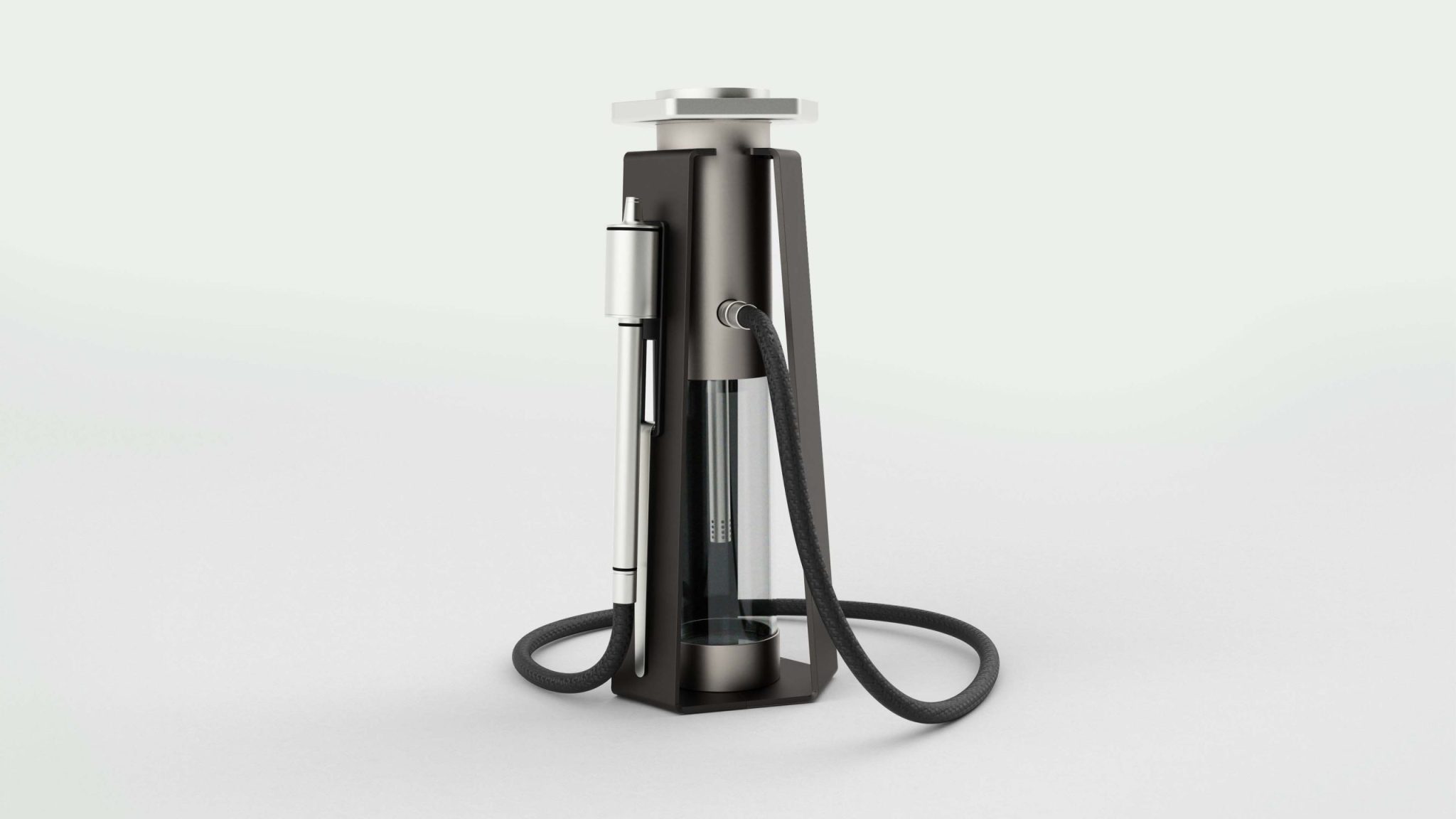
The shisha has never quite left the luxury hotel lobby. For twenty years it lived on the edge of the F&B programme, available on request, served on a terrace, often by a staff member who had learned the ritual from a relative rather than a training manual. What has changed in the last five years is that the best hotels in the world have started to treat it the way they treat cigar service, whisky, or a cocktail list. They have curated it.
This is a design-led view on why curated shisha service has arrived at the top of the luxury hotel F&B conversation, where it is working best, and what the venues getting it right have in common. The broader argument on what makes a luxury shisha pipe sits alongside this piece.
What has changed in luxury hotel F&B
The F&B category is the bright spot in luxury hotel revenue in 2026. According to CBRE’s hotel F&B outlook, F&B revenue per available room has been growing faster than rooms revenue itself, driven by a set of forces that hotel groups have been naming for years: guest demand for experience-led differentiation, wellness and cultural programming, and the deliberate blurring of restaurant, bar, and lounge spaces.
Within that shift, amenity programming has moved from the footnote on a rate plan to a main-course item. The lounges and terraces that were once simply a place to sit with a coffee have become the venues where hotels compete. Cigar service returned. Whisky libraries opened. Curated coffee programmes, craft mezcal lists, and tableside spirit service followed. Shisha arrived with them, and for the same reason: it is a pairing experience, not a commodity. Done well, it is theatrical. Done badly, it looks cheap.
Luxury hotel shisha service sits in the same strategic slot as a rare whisky list. It is a revenue line that pays for itself within a season and an amenity that guests remember long after the room rate has faded.
What curated shisha service actually looks like
Curated means that something has been chosen, not inherited. Applied to shisha service, it shows up in five decisions a hotel makes.
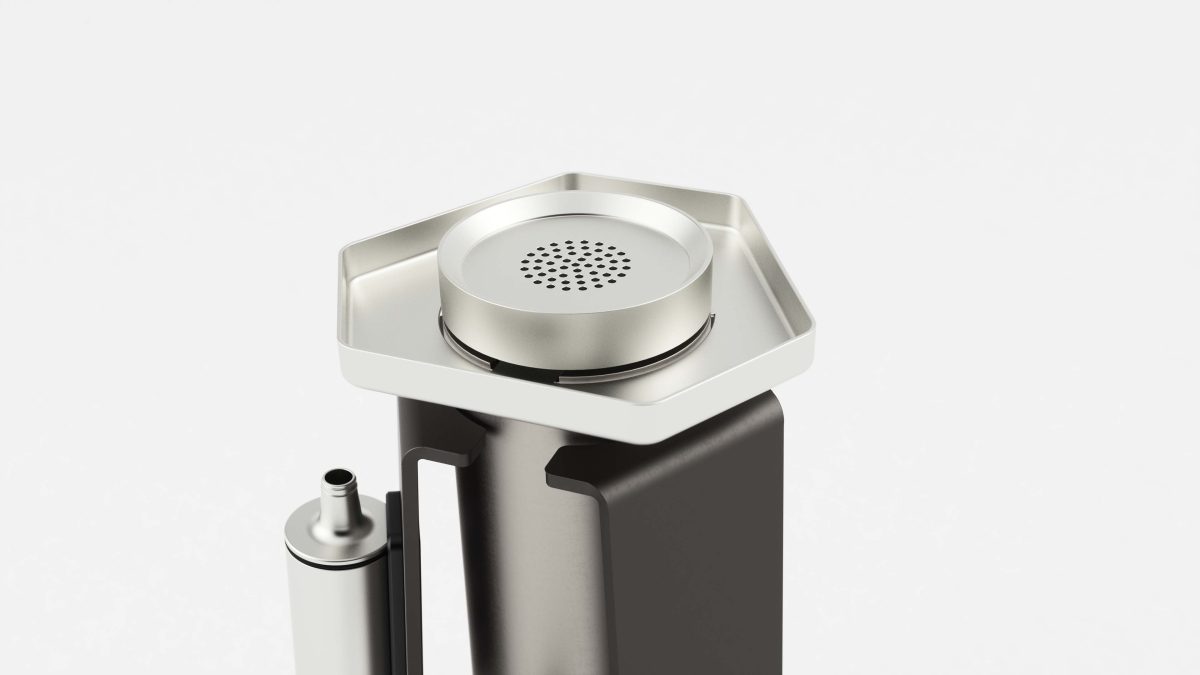
The pipe is selected like a piece of furniture. Not pulled from a wholesale catalogue, but chosen to suit the room, the service style, and the interior architecture. A contemporary rooftop will specify a different object to a library lounge. Both should be luxury. Neither should look like the shishas a guest might encounter at a street-side cafe.
The tobacco (or herbal alternative) range is edited down. A guest does not need twenty flavour combinations printed on a laminated card; they need six well-paired options with a short description. Supplier provenance is named. Premium brands, and the fresh-fruit preparations a handful of venues have taken further, become points of narrative rather than stock-control items.
The service ritual is trained. Two or three members of each shift know how to prepare the pipe, how to talk about the pairing, and how to refresh the charcoal without interrupting the table’s conversation. On a good terrace, the ritual is as legible as a sommelier decanting a bottle.
The pairing is deliberate. Shisha is served alongside a cocktail, a cognac, a glass of mint tea, or a coffee course that has been written for the guest experience, not stapled to it as an afterthought.
The space accommodates it. Ventilation, seating spacing, and sightlines have been thought through at the design stage. The terrace is private enough for comfort, public enough to be photographed.
Each of those five decisions is visible to a guest within the first thirty seconds of service. Any that are missing announce themselves.
Where it is working, venue references
Luxury hotel shisha is not a trend line that arrived at every market simultaneously. A few venues got there early and set the standard. Four examples, each different from the others, show the spread.
At Atlantis The Royal in Dubai, shisha service runs across the property’s terrace programme, presented with the same care as the rest of the F&B offer. The hotel, which opened in 2023, designed shisha into its F&B identity from the beginning rather than appending it later.
The hookah lounge at Nofa Riyadh, a Radisson Collection Resort, sits as a dedicated space within the hotel. Shisha is served with poolside options and integrated with the main F&B offer. It is the Saudi Arabian pattern: a named lounge rather than a hidden terrace, and a clear signal to guests that the amenity is official.
The Shisha Bar at Mykonos Blanc Hotel in Ornos Beach is a Mediterranean example. The hotel positions the bar as part of its rolling summer F&B programme, with natural fruit and herb preparations served in a setting that connects directly to the hotel restaurant.
At the Athina Lounge Shisha Terrace at the Amathus Beach in Limassol, Cyprus, the hotel lists a named Shisha Guru on staff, a catalogue of more than fifty aromas, and a line of Egyptian silver-studded leather nargilehs. The branding is serious. So is the investment. The venue is a case study in how a Mediterranean resort frames shisha as part of the luxury offer rather than as a concession to market demand.
Beyond hotels, the standalone luxury shisha lounge has become its own category in London, Marbella, and Monaco. Mamounia Lounge on Curzon Street in Mayfair has built its reputation on premium flavours and bespoke pairings, and hotel F&B programmes in London have taken note.
The design and specification decisions
For a luxury hotel F&B director or procurement team evaluating a shisha programme for the first time, the specification decisions sit in four layers.
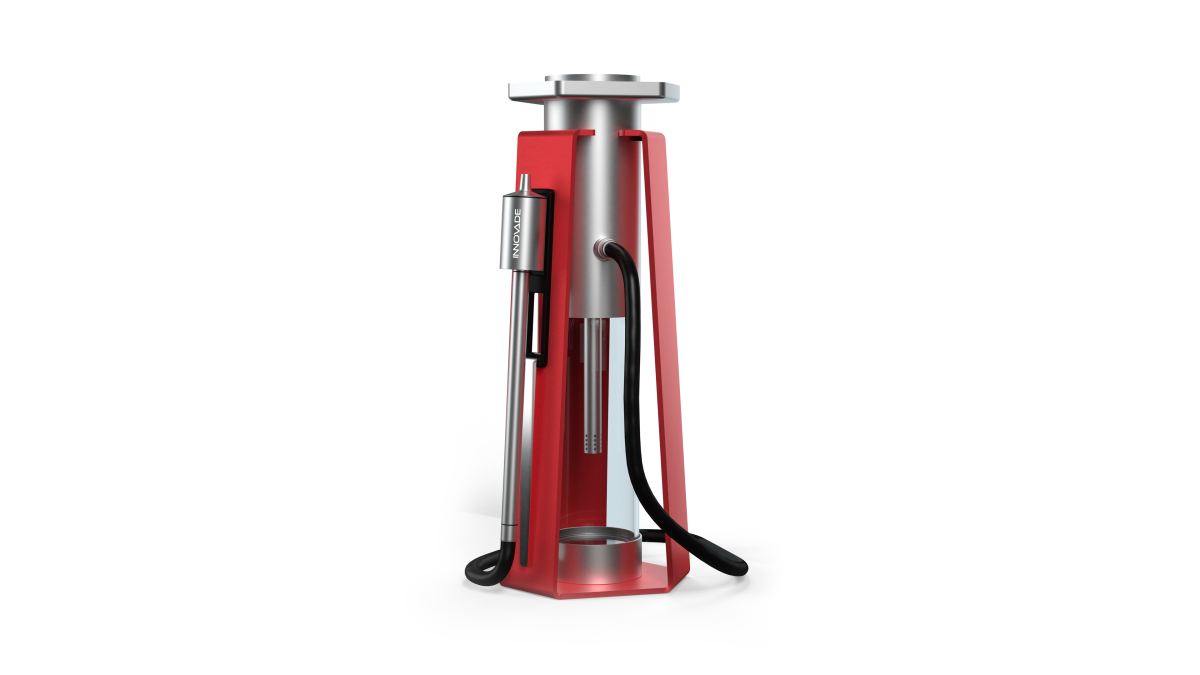
Object. What pipe the venue will stock. Scale matters. A short, solid pipe that sits quietly on a table reads differently to a tall ornamental one. Mid-market units on a luxury terrace will undermine the programme; the pipe needs to feel like the rest of the service equipment. A dedicated view on this is covered in the pillar piece on what makes a luxury shisha pipe.
Flavour. Which brands and preparations the venue will offer. This is a curatorial decision, not a procurement one. Seasonal rotation, regional bias (Mediterranean herb preparations for a summer hotel; deeper molasses tobaccos for a winter lounge), and house signature blends separate a curated offer from a generic one.
Format. Individual pipes, shared service, or booth-led service. The format dictates staffing, revenue per seat, and how long each group occupies the table.
Ventilation and seating. Design decisions that belong to the interior architect. The best programmes are specified at the building stage. The second-best are retrofitted into terraces and covered patios with the help of a hospitality consultant.
Most hotels that get this right have an F&B director working alongside a design consultant. The programmes that fall flat are the ones where the shisha was added post-opening as a revenue-chase.
The staff side, training and ritual
A shisha programme is as strong as its staff. The five-star hotels that run curated service treat it the way they treat sommelier training: small group, serious content, ongoing assessment.
The knowledge base is short but non-trivial: how to prepare the pipe, how to load and pack tobacco, how to manage charcoal refresh, how to talk about the pairing to a guest. None of it is hard to learn. All of it is learned badly if it is learned on the fly. The hotels that invest in two or three shift leaders who own the programme see the returns compound quickly. The ones that do not end up with shishas that sit decorative on a shelf.
Front-of-house ritual is the visible part. A server arrives with the prepared pipe, presents it, explains the tobacco, adjusts the foil, and checks back at fifteen-minute intervals. The ritual is as deliberate as a sommelier’s. The effect on the table is the same: the guest knows that the venue has invested in the experience, and the pairing that follows is received accordingly.
How procurement teams approach it
For a luxury hotel procurement team working with a supplier for the first time, the evaluation moves through six questions:
Who is the designer of the piece? Named designer, named studio, named country of origin. A nameless shisha at a luxury property reads as a commodity.
What is the service procedure? A five-minute turn between guests is the floor. Any longer and the terrace runs slower than the bar.
Warranty and wear-part policy? Two years minimum on the object. Five years on wear parts (hoses, gaskets, trays) for service-led buyers.
Lead time to the property in our city? Four to six weeks for a specified order. Two weeks means stock-pulled, which means no customisation.
Branding options? Discreet laser engraving on the base or collar is standard for orders of twenty or more units. Laser, not stickers.
Training and onboarding? Does the supplier provide a written service procedure and a staff training session, either in person or via video? The best suppliers in the category do.
Price for a luxury shisha pipe, as covered in the pillar piece, runs from about €1,500 to €3,000 per unit. Volume orders for hotels pull that number down. Customisation pushes it back up.
Geography and the signal from the market
The Gulf still leads the luxury hotel shisha conversation in absolute revenue. Dubai, Riyadh, Doha, and Abu Dhabi treat shisha service as a regular part of a five-star offer. Western and Northern European luxury hotels have been catching up steadily over the last five years, often via a hospitality consultant who has worked in the Gulf and imported the standard.
London is the second signal. Private member clubs in Mayfair and St James’s have been running curated shisha service as an amenity for members since the mid-2020s, and rooftop bars in the wider West End and City have followed. The pattern moves from member clubs to hotels within a short cycle: when a venue category validates an amenity, hotels can specify it without seeming to be chasing a fashion.
The Mediterranean, Monaco, Mykonos, Ibiza, Marbella, Capri, the Cyprus south coast, runs a third model. Seasonal, design-led, outdoor. The shisha here is a piece of terrace service, often paired with cocktails or mezze, and the object needs to hold up to sea air and sun. It is a design brief as much as a service brief. Dezeen’s hospitality coverage has tracked the wider shift in Mediterranean resort design toward understated luxury that fits this kind of programme well.
Available from Innovade
Innovade designs contemporary luxury shisha pipes in Germany. Pieces are specified by luxury hotels, resorts, private member clubs, beach clubs, yacht managers, and private buyers across the UK, EU, and Middle East. For the broader design argument that sits behind this hospitality piece, read What Makes a Luxury Shisha Pipe. For the story of a specific edition, see Introducing INNOVADE RED.
Frequently asked questions
Is shisha allowed in hotels?
In most markets, yes, provided the venue has the appropriate smoking licence and a designated area. In the UK, shisha service requires compliance with the Smoke-free Premises regulations and the use of outdoor or well-ventilated semi-enclosed spaces. In the UAE, Saudi Arabia, and Qatar, hotel shisha service is regulated at the venue level with both indoor and outdoor permissions depending on the property class. The legal framework is worth checking per jurisdiction before specifying a programme.
Do five-star hotels offer shisha services?
Many do, particularly in the Gulf, the Eastern Mediterranean, and selected European cities. The pattern is strongest in Dubai, Abu Dhabi, Doha, and Riyadh, where shisha is treated as a regular part of the luxury hotel F&B offer. Named programmes exist at Atlantis The Royal in Dubai, Nofa Riyadh, Mykonos Blanc, and the Amathus Beach in Limassol among others.
What makes a premium shisha experience in a hotel?
A curated pipe (designed, not wholesale), a tight flavour range with named provenance, trained staff, deliberate pairing with drinks or coffee, and a space that has been specified for it. The five elements are covered in the section on curated service above.
How much does it cost a hotel to set up a shisha programme?
A specified programme of twenty to fifty luxury pipes, branded where appropriate, runs from roughly €30,000 to €150,000 in equipment alone, depending on unit price, customisation, and accessory specification. Tobacco, training, and ongoing wear-part replacement sit on top as operating costs. The ROI is typically visible within the first season of service.
What are the best cities for luxury hotel shisha?
Dubai and Riyadh lead in absolute market size. Doha, Abu Dhabi, and Jeddah sit alongside. London is the strongest Western European market, particularly in Mayfair and the surrounding West End. The Mediterranean summer market runs from Mykonos through Ibiza to Marbella and the Cypriot south coast.
Can hotels brand their shisha pipes?
Yes. Discreet laser engraving on the base or collar is standard for hotel orders of about twenty or more units. Full bespoke treatments, material choices, and edition runs are available on commissioned orders from specialist studios with longer lead times.
How is shisha service staffed in a luxury hotel?
The venues that run curated programmes train two or three shift leaders on the full service procedure and cover wider staff on the basic refresh routine. The knowledge base is short but non-trivial (preparation, packing, charcoal refresh, and pairing talk) and is learned badly if it is learned on the fly.
What is the typical lead time for a hotel order?
Four to six weeks for a specified order of luxury pipes shipped to a UK, EU, or GCC address. Bespoke pieces and custom finishes take longer. Stock-pulled units ship faster but at the cost of customisation.
