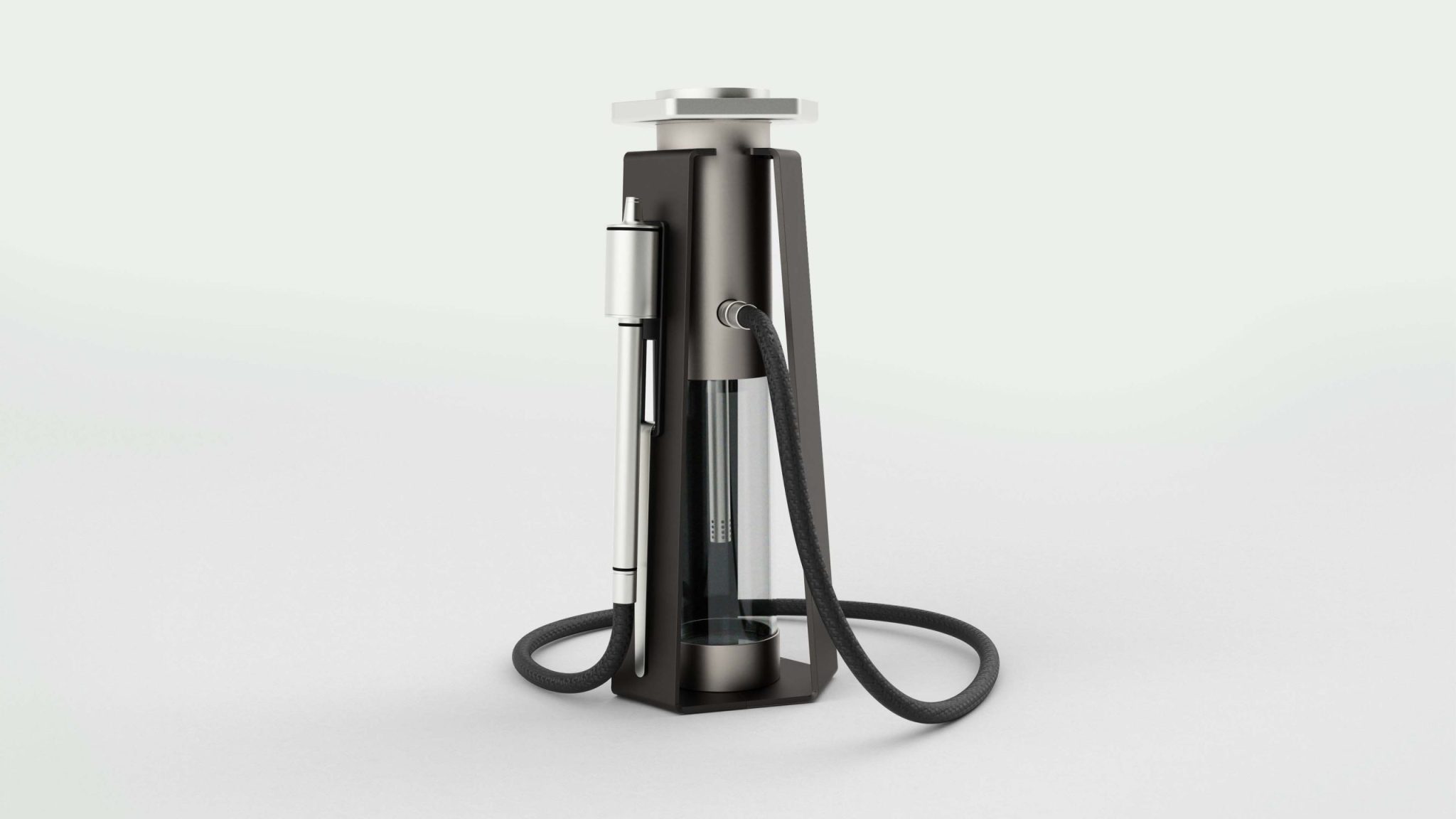
A well-maintained shisha pipe tells you something about its owner. The precision-ground joints fit cleanly. The glass is clear. The metal holds its finish. After years of service, it still performs as it did on the first session. That is not luck - it is the result of a consistent maintenance routine applied with the same care as any considered object.
For owners of an Innovade pipe, shisha pipe maintenance is as much an act of stewardship as it is practical necessity. This guide covers everything from the post-session rinse to seasonal deep cleaning, finish care, and the storage choices that protect the pipe when it is not in use.
Why Maintenance Matters More with a Premium Pipe
An entry-level hookah is designed to be replaced. The materials are coated, the tolerances loose, and the expectation is disposal within a year or two of use. A high-end pipe inverts that logic entirely. The engineering cost, the material quality, and the design intent all assume decades of use. But that assumption only holds if the pipe is cared for properly.
Innovade pipes are built from food-grade stainless steel, hand-blown borosilicate glass, and, on select components, solid brass. These materials are chosen for their durability and their neutrality - they do not absorb flavour or taint the smoke. Neglect, however, changes that. Residue builds in the stem. Mineral deposits form on the glass. Oxidation begins to work into the brass. None of this is irreversible, but it is cumulative. Regular maintenance prevents problems that are far harder to fix later.
Know What You Are Cleaning
Before establishing any maintenance routine, it helps to understand what each component is made of and how it behaves under heat, moisture, and regular use.
- The stem: Precision-machined stainless steel. Highly resistant to corrosion and flavour retention. Cleaned with warm water and a stem brush. Avoid abrasive cleaners that could scratch the interior finish.
- The base (vase): Hand-blown borosilicate glass. Resistant to thermal shock. Cleaned with warm water and a soft bottle brush, or by shaking with a small amount of isopropyl alcohol and then rinsing.
- The bowl: Heat-resistant alloy or ceramic depending on configuration. Rinse thoroughly after each session and allow to dry completely before storing - any residual moisture in a porous material will cause problems over time.
- The hose: Silicone on all modern Innovade configurations. Silicone hoses are washable and should be rinsed after each session. Traditional leather hoses, found on older-style pipes, are not washable and are replaced rather than cleaned.
- Brass fittings: Present on select Innovade models. Brass is softer than steel and more reactive. It develops a natural patina over time - this is normal, and many owners consider it a mark of the material's authenticity. If you prefer to maintain a bright finish, a proprietary brass polish applied with a soft cloth works well. Do not submerge brass in acidic solutions.
After Every Session - The Five-Minute Rinse
The most important maintenance habit is the simplest: rinse the pipe thoroughly after every use. Residue left in a warm, damp stem hardens within hours. Flavour compounds that seem harmless after one session become a persistent problem over dozens of accumulated uses. A thorough rinse takes five minutes and prevents the need for far more intensive intervention later.
- Empty and rinse the base with clean, warm water. Fill and shake twice.
- Run warm water through the stem from top to bottom. If you have a stem brush, pass it through once - no cleaning products are needed for routine daily care.
- Rinse the hose port and the base stem fitting.
- Empty the bowl of any residual tobacco or coal ash. Do not scrub it dry - just empty it and allow it to air.
- Stand all components upright on a clean, dry surface. Do not reassemble until everything is dry.
For hospitality venues with a full F&B operation, this routine naturally slots in at the end of each table service. Build it into the close-down briefing the same way you would handle glassware or silverware - it takes no longer and the difference in presentation at the next sitting is immediately visible.
The Weekly Deep Clean
Once a week - or after every four to six sessions, whichever comes first - a more thorough clean is worthwhile. This is where you remove the residue the daily rinse leaves behind and restore the pipe to a condition close to new.
The base: Add a tablespoon of isopropyl alcohol (91% or above) and a small amount of warm water. Swirl vigorously, drain, then rinse with clean water twice. For stubborn mineral deposits from hard water, a dilute citric acid solution works extremely well - one teaspoon of citric acid powder or lemon juice dissolved in 500ml of warm water. Leave for 20 minutes, then rinse thoroughly.
The stem: Soak a stem brush in isopropyl alcohol and pass it through several times. Follow with a clean brush soaked in water. Hold the stem to a light source and look through it - it should be completely clear. A brown tinge or visible residue means more passes are needed.
The hose: Run warm water through the length of the hose and hang it to dry completely. For pipes that alternate between different tobacco styles, a small amount of baking soda dissolved in water helps neutralise persistent flavour transfer. For hoses with metal tips, check the tips and clean the seal area with a cotton bud.
Gaskets and grommets: These small rubber or silicone seals are easy to overlook and critical to performance. Remove each one from its seat, rinse, and inspect for cracks or hardening. A cracked grommet causes draw resistance and uneven airflow - it should be replaced. Innovade gaskets are available directly from the company. Do not substitute with generic hardware-store rubber, which may off-gas under the heat of a session.
Caring for the Finish
The exterior finish carries the design intent of the piece. How you care for it determines whether the pipe ages with distinction or looks worn.
Brushed stainless steel: Wipe down with a damp microfibre cloth after each session. For fingerprints and light smudging, a small amount of mineral oil on a soft cloth buffed in the direction of the grain restores the finish cleanly. Always work in the direction of the brush pattern, not against it or in circles - circular wiping creates visible swirl marks over time on a brushed surface.
Polished stainless steel: Use a dedicated stainless steel polish on a lint-free cloth. A thin application buffed to a clear finish is far better than a heavy one left to smear. Avoid any spray cleaners containing bleach or ammonia, and never use abrasive scourers or steel wool on any stainless surface - the damage is permanent.
Brass components: Allow the natural patina to develop if you prefer - it deepens the character of the material. If you want to maintain a brighter appearance, use a proprietary brass cleaner applied sparingly and polished off immediately. Never leave cleaning products on brass for an extended period, and avoid immersing brass in water for longer than necessary.
Borosilicate glass: Technically dishwasher-safe, but hand washing is recommended for any base with printed or etched detailing. The one caution with borosilicate glass is rapid temperature change at extreme differentials - allow the base to reach room temperature before a session if it has been stored somewhere cold, and never pour very cold water into a base that is still warm from use.
Storage, Travel, and Difficult Environments
How a pipe is stored between sessions matters as much as how it is cleaned. For owners who divide time between properties, or who travel with the pipe to a yacht or holiday residence, a few specific considerations apply.
Humidity: Prolonged exposure to high ambient humidity - a boat cabin, a beach house, a basement bar - accelerates oxidation on brass fittings and creates conditions for mould in any moisture trapped inside components. After the post-session rinse, ensure every component is fully dry before storing. A small silica gel sachet placed in the storage case manages residual humidity effectively.
Transport: The glass base is the most vulnerable component. Innovade pipes ship in purpose-built cases, and those cases are worth retaining for exactly this reason. If you transport the pipe regularly - between a London flat and a country house, on a superyacht, or to a private members club for an evening - the original case or a fitted carry case provides the right level of protection. A cloth wrap inside the stem is not meaningful protection for the base.
Temperature extremes: Avoid leaving the pipe in a car during high summer or a cold garage in winter. Borosilicate glass withstands cooking temperatures in normal use, but is not designed for repeated rapid thermal cycling from extreme cold to hot session temperatures. Allow the pipe to acclimatise to room temperature before use if it has been stored somewhere cold.
Venue storage: For operators running Innovade pipes in an active hospitality programme, a lockable case or a dedicated trolley communicates to guests that the equipment is maintained to the same standard as the rest of the table. It also prevents damage between sittings from casual handling.
When to Replace Rather Than Clean
Some components are consumables by design. Knowing when to replace rather than continuing to clean is part of responsible ownership.
- Hoses: Silicone hoses last for years with routine care, but persistent flavour contamination that does not clear with cleaning is a reliable signal to replace. A silicone hose is inexpensive relative to the pipe itself.
- Gaskets and grommets: Replace at the first sign of cracking, hardening, or draw resistance. These components are structural - they determine whether the pipe seals and draws correctly.
- The bowl: Clay and ceramic bowls are porous and absorb flavour over time. For private use, many owners dedicate a bowl to one tobacco style. For venue use, rotation across multiple bowls with regular inspection for cracking is the standard approach.
- Coal holders and heat management devices: These operate at the highest temperatures of any component and take the most thermal stress. Inspect after every session for warping, cracking, or corrosion. Replace if the fit to the bowl has become loose.
Replacement components for Innovade pipes are available directly from the company. For enquiries about parts, trade servicing, or anything outside routine maintenance, contact the team at innovade.uk.
Professional Servicing for Venues in Heavy Commercial Use
For hospitality operators running Innovade pipes at high volume - a Dubai beach club serving fifty or sixty shisha sittings per day, or a London private members club with a full shisha programme - an annual professional service is a reasonable investment. This is not a standard retail offering, but Innovade does work with trade clients on a service basis. Contact the team to discuss what is appropriate for your operation.
For private owners, the routine described in this guide is sufficient for decades of reliable service without professional intervention, provided it is applied consistently. A pipe that is rinsed after every session, deep-cleaned weekly, and stored correctly will perform and look as it should for as long as you own it.
To learn more about what distinguishes a premium pipe in the first place, read our guide to what makes a luxury shisha pipe. For those specifying Innovade for a hospitality programme, the procurement considerations in our rooftop bar shisha guide complement the maintenance principles covered here.
Frequently Asked Questions
How often should I clean a high-end shisha pipe?
Rinse all components after every session - this takes under five minutes and prevents residue from hardening between uses. Perform a thorough deep clean with isopropyl alcohol and a stem brush once per week or after every four to six sessions. Professional servicing is only necessary for pipes in high-volume commercial use.
Can shisha pipe components go in the dishwasher?
The borosilicate glass base is technically dishwasher-safe, but hand washing is recommended, particularly if the base has printed or etched detailing. The stem, brass fittings, coal tray, and silicone gaskets should not go in a dishwasher - the heat and detergent accelerate oxidation on metal and degrade rubber and silicone components.
What cleaning products are safe for a stainless steel shisha pipe?
Warm water and a stem brush cover the majority of routine shisha pipe maintenance. For a deeper clean, isopropyl alcohol at 91% or above is safe for all internal stainless components. For the exterior, a small amount of mineral oil on a microfibre cloth maintains the finish. Never use abrasive cleaners, bleach, or steel wool on stainless steel - the damage cannot be reversed.
How do I remove mineral deposits and hard water marks from the glass base?
A dilute citric acid solution is the most effective approach. Dissolve one teaspoon of citric acid powder (or use fresh lemon juice) in 500ml of warm water, pour into the base, and leave for 20 minutes. Swirl and drain, then rinse twice with clean water. For persistent scale, repeat rather than increasing the concentration.
How do I maintain the brass fittings on an Innovade pipe?
Brass develops a natural patina with age - this is characteristic of solid brass and considered desirable. If you prefer a brighter finish, apply a small amount of proprietary brass cleaner with a soft cloth, then polish dry immediately. Never leave acidic cleaning agents on brass, and avoid submerging brass components in cleaning solutions.
What causes restricted draw on a well-maintained pipe?
Restricted draw almost always points to a failed gasket or grommet, a partially blocked stem, or a hose that has kinked internally. Start by removing and inspecting all gaskets - a cracked or hardened seal is the most common cause. If the gaskets are intact, run water through the stem and hose separately to check for blockages. If the problem persists, contact Innovade directly for a service assessment.
Is it safe to use the same pipe for different tobacco flavours without a full clean between sessions?
A thorough post-session rinse is sufficient when switching between similar flavour profiles - fruit to fruit, for example. For a more significant change (a dense tobacco to a light floral, or flavoured to unflavoured), a deeper clean including isopropyl alcohol in the stem and base prevents cross-contamination. A dedicated bowl per tobacco style is the cleanest long-term solution for frequent switchers.
For a broader view of the Innovade pipe - its design origins and what sets it apart from the wider market - the brand story at Innovade: the story of a German-designed luxury shisha pipe is worth reading alongside this maintenance guide.
