A guest who pays five-figure nightly rates rarely lists the reason on a survey. They notice the firmness of the pillow, the angle of the reading light, the quality of the glass at the bar. They notice what is on the table when someone joins them for an after-dinner drink. The room is the headline; the amenities are the small print, and the small print is where loyalty is earned.
Boutique hoteliers in 2026 are no longer competing on thread count or marble depth. The pricing lever has moved to luxury hotel amenities that feel commissioned rather than ordered, that signal taste rather than spend. This piece looks at what those amenities are, why they justify a higher rate, and how procurement teams in London, Monaco and Dubai are specifying them.
Why amenities became the pricing lever
Two forces moved hotel pricing power away from the room itself. The first was supply. Between 2019 and 2025 the luxury segment in Europe added more rooms than the previous decade combined, with new entrants in Mayfair, Knightsbridge, the 1st arrondissement and Marbella raising the visual baseline for what a five-star room looks like. When every property has a Carrara bathroom and a Frette dressing gown, the room stops doing the work.
The second force was the guest. The post-pandemic luxury traveller is younger, more design-literate, and far less interested in pomp. They have read Wallpaper* and Cereal. They follow studios on Instagram and recognise a Vitra chair on sight. A property that wants their attention has to demonstrate considered choices in every object the guest touches: the kettle, the slippers, the glassware, the shisha pipe on the terrace table.
The result is a market where the room rate is increasingly justified by what surrounds the room. Amenity directors at the larger groups now have line-item budgets for "experiential touchpoints" that did not exist five years ago, and boutique operators have always understood that this is where character lives.
What the modern luxury guest actually values
The brief has narrowed. Where a 2015 luxury guest might have been impressed by abundance - a fruit bowl, a press tray, a tray of toiletries - the 2026 guest reads abundance as anxiety. They want the one right thing, presented with restraint.
Three qualities now signal taste in luxury hotel amenities:
- Materiality: objects feel honest. Brass that reads as brass. Linen that creases. Glass that has weight.
- Provenance: the brand or maker has a story the concierge can tell in one sentence. "It is a small atelier in Munich" beats "it is from our standard supplier."
- Restraint: the design does not shout. The logo, if any, sits at the back. The piece earns its place by being well made, not by announcing itself.
These qualities apply equally to the carafe by the bed and to the shisha service on the terrace. The principle is the same: the object should feel chosen, not procured.
In-room amenities that move ADR
Average daily rate is moved by a small set of in-room touches that operators across the luxury segment have quietly converged on. None of them are new. What has changed is the visibility, and the willingness to invest properly.
Lighting: dimmable, warm, layered. A guest who can set a room from 200 lux to 20 lux without using their phone has been respected. Properties that still rely on a single switch above the bed are now noticeably behind.
Bedding: the move is towards European down with a stated origin (Hungary, Siberia) and natural-fibre linens at 400 to 600 thread count. Higher counts are no longer read as luxury.
Bathroom amenities: the era of the unbranded mini-bottle is over. Boutique operators are commissioning custom decant bottles for Aesop, Frama, Le Labo and Susanne Kaufmann, or partnering directly with a niche house. The bottle stays in the room; the brand stays in memory.
Minibar: curated, not stocked. A short list of considered choices reads as confident. Eight kinds of cola read as desperate.
In-room beverage service: the kettle has been replaced by a manual coffee setup or a small wine selection chosen by the head sommelier. The signal is that the property trusts the guest with adult choices.
Public-area and F&B amenities
The lobby, the bar and the terrace are where amenity value is co-created with the guest. They are also where premium pricing is most visible and most defensible. Hotels that operate F&B as a serious business, not as a guest courtesy, tend to support a higher room rate by association.
The pieces that matter at this scale are larger, more public, and more scrutinised. They include:
- Glassware and barware: hand-blown, weighted, often commissioned. A heavy Old Fashioned glass signals the bar takes itself seriously.
- Lounge furniture: contract-grade pieces from design houses (Cassina, B&B Italia, Minotti) used in residential weight, not in hospitality-stripped versions.
- Outdoor and terrace service: heaters, throws, candles, ashtrays - and increasingly, a curated shisha service for properties in the Middle East and southern Europe.
- Music: programmed by a named director (Music for Dreams, Toulouse Lautrec) rather than streamed from a playlist.
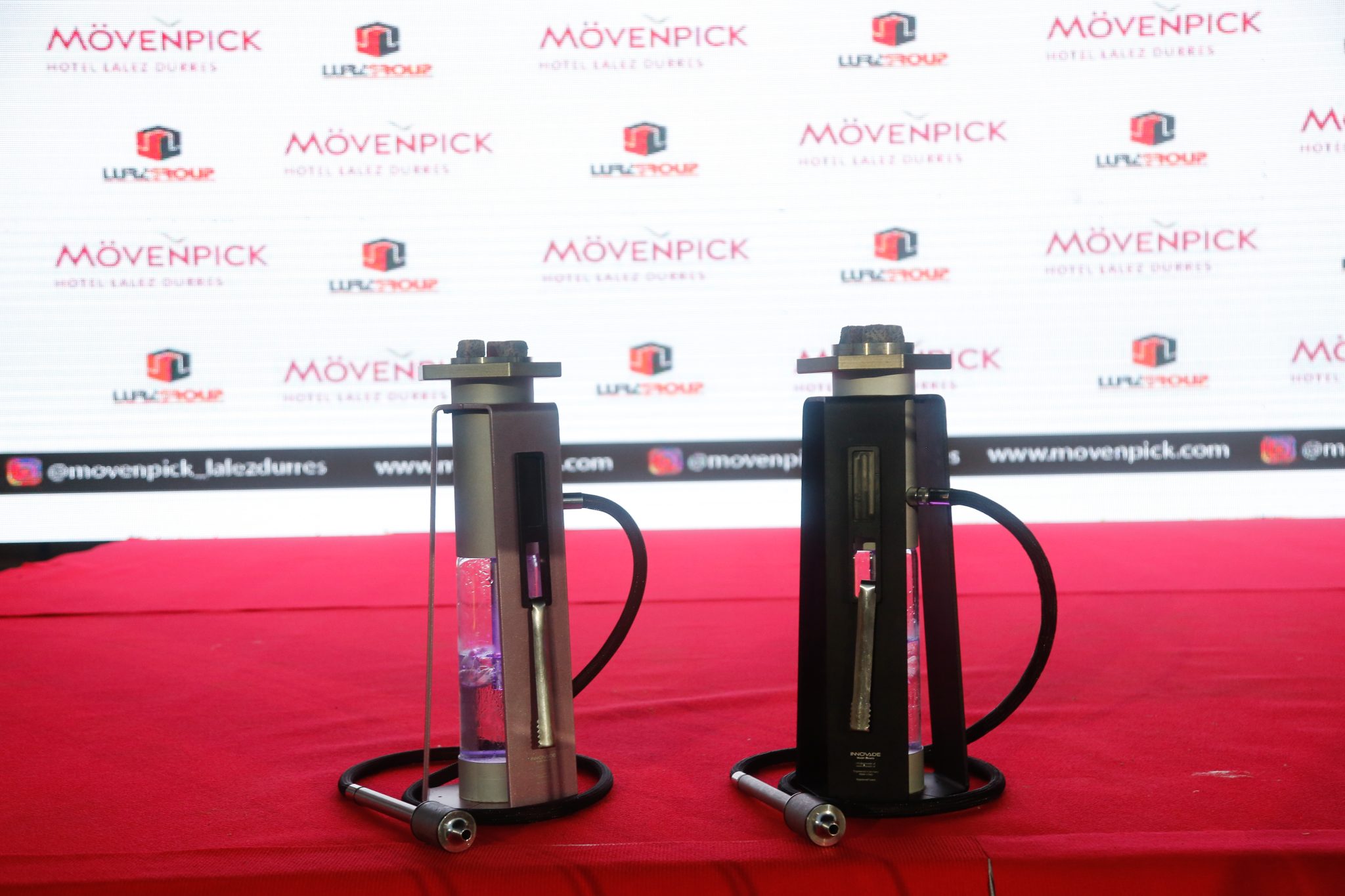
The shisha example is instructive because it covers both poles of the amenity question. A standard pipe of the kind found in a neighbourhood lounge would damage the brand of a five-star property. A design-led pipe, served by a trained attendant, with a curated tobacco menu and considered ritual, supports the rate the property is charging. The object does the work that the room cannot.
The role of considered objects
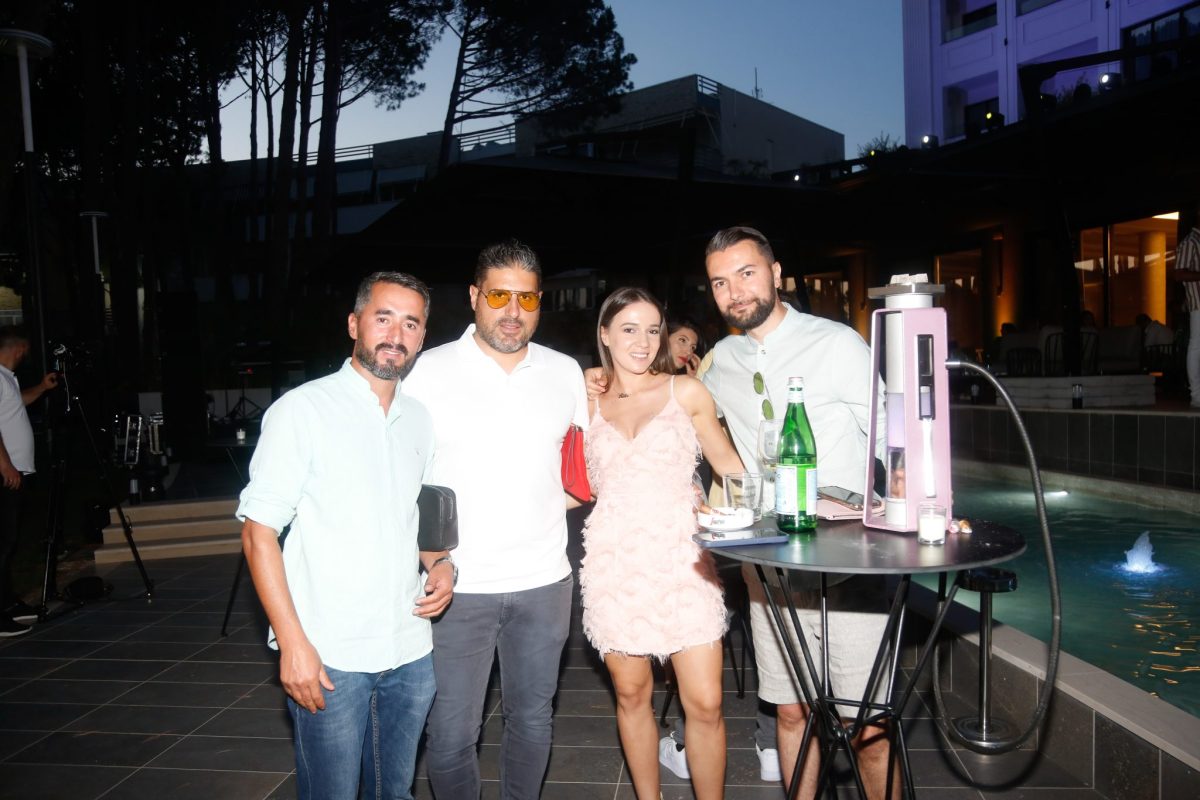
Across hospitality, the phrase that operators are using more often is "considered object." It describes a piece that does its job and also bears looking at - the carafe, the candle holder, the shisha pipe on the terrace.
The bar to clear is high. A considered object should sit comfortably alongside the architecture, support the service ritual it is part of, last through years of nightly use, and be repairable rather than replaceable. Most hospitality-grade catalogues do not meet this bar. The pieces that do tend to come from design-led ateliers operating outside the contract-supply mainstream.
Innovade is one example in the shisha category. The piece is engineered in Munich, made in heat-managing alloys with borosilicate glass, and is specified into hotels in the UK, Greece, the UAE and Saudi Arabia. It is held to the same standards a procurement director would apply to a Carl Hansen chair or a Lobmeyr glass: provenance, materiality, durability, repair. The conversation around it on the terrace is the amenity.
Regional differences: UK, EU and Middle East
The pricing lever varies by region.
United Kingdom: in London, the premium amenity discussion is dominated by spa, F&B and gastronomy. The market is conservative; new amenity categories take time to be specified into the property. A UK luxury buyer typically begins with a single trial in one outdoor terrace or roof bar before rolling out.
Continental Europe: Monaco, Marbella, the Cote d'Azur and the Greek islands sit closer to the Middle East in their amenity logic. Outdoor space is the asset, and the amenities that activate outdoor space - shisha, cigar service, late-night gastronomy - drive both rate and repeat bookings.
Middle East: the GCC market is the largest by revenue for premium shisha service and one of the most demanding for amenity quality overall. Dubai, Riyadh, Abu Dhabi, Doha and Manama operators specify pieces by the dozen for new openings, and the cycle from specification to opening is short. A property without a credible amenity programme is at a real competitive disadvantage in this market.
Procurement notes for amenity directors
The path from short-listing a piece to having it operational on the floor is shorter than most procurement teams assume, but only if a few things are clear at the outset. The notes below apply across the categories of luxury hotel amenities described above.
MOQ and lead time: design-led ateliers typically work to lower MOQs than the contract-supply mainstream, often from one piece. Lead times sit at six to ten weeks for stock items and twelve to sixteen for customised finishes.
Customisation: finish and engraving options exist for hotel groups that want a brand-consistent look. Hotel logos are best applied subtly, on the underside of a base or on a service plate, rather than on the visible body of the piece.
Shipping: EU and Middle East delivery is straightforward; UK delivery is slightly slower post-Brexit but well within normal pre-opening windows.
Warranty and repair: serious ateliers offer a two-year minimum on hardware and stock spare parts. A piece that cannot be repaired in the field after eighteen months of nightly use is not a serious hospitality piece, whatever the brochure says.
Staff training: the piece is half the amenity; the ritual around it is the other half. Trained attendants, a written service standard, and a tobacco or beverage list make the difference between an amenity and a prop. Properties that invest in training see the amenity become an Instagram driver within months of opening.
Care, ritual and the staff side of the amenity
The single biggest predictor of whether an amenity programme delivers room-rate uplift is whether the property treats it as a service or as furniture. Furniture sits there. Service moves. The objects that justify premium rates are the ones that come with a trained person and a defined ritual.
For a terrace shisha service, that means a head attendant on the rota for the busiest five hours of the evening, a charcoal management routine, a glass and hose change between each guest, and a tobacco list that has been chosen rather than inherited. For an in-room amenity, it means a turn-down team that knows what each item is for and why it is there.
This is the work that boutique operators do better than the global brands. The room rate that follows is not luck.
Available from Innovade
Innovade supplies hotels, private member clubs and luxury bars across the UK, EU and GCC, with contract-grade pieces in stock for trial orders and engraved finishes for group rollouts. Trade enquiries through the contact page are responded to promptly and routed to the relevant specification manager.
Frequently asked questions
Which luxury hotel amenities actually move the room rate?
In-room: lighting, bedding, bathroom amenities and curated minibars. Public-area: glassware, lounge furniture, F&B service and terrace amenities. The pattern across the strongest luxury hotel amenities is the same - restraint plus provenance, not abundance.
Are shisha pipes appropriate for a five-star hotel?
In the right setting they are a defensible premium amenity, particularly on outdoor terraces, in pool bars and in private dining suites. The piece, the tobacco, the staff training and the service ritual matter as much as the venue. A neighbourhood-grade pipe will damage the brand; a design-led pipe with trained service supports the rate.
How long does it take to specify a new amenity into a property?
For stock items, six to ten weeks from order to operational. For customised finishes, twelve to sixteen weeks. Both timelines fit comfortably inside a normal pre-opening or seasonal-refurbishment window.
What is the MOQ for a luxury hospitality piece like Innovade?
Single-piece orders are accepted for trial. Most properties begin with one to three pieces in one outdoor outlet before rolling out to additional outlets and to suites.
Can amenities carry the hotel brand?
Yes, with restraint. Subtle engraving on the base of a piece, or on a service plate, is preferred to logos on the visible body. The piece should read as the hotel's choice, not as the hotel's advertisement.
Which regions are growing fastest for premium amenity specification?
The GCC remains the largest and fastest by revenue, with strong demand from new openings in Riyadh, Dubai and Doha. Southern Europe (Marbella, the Greek islands, Cote d'Azur) is growing on the back of outdoor-asset properties. The UK is steadier and more conservative but still active in London and country-house segments.
Does staff training make a measurable difference?
Yes. Properties that train attendants on the ritual side of the amenity report repeat-booking uplifts and noticeably more guest-generated content. The piece without the ritual is half the amenity.
If you are evaluating a curated shisha pairing programme as part of a wider F&B amenity refresh, that piece pairs naturally with this one.
